
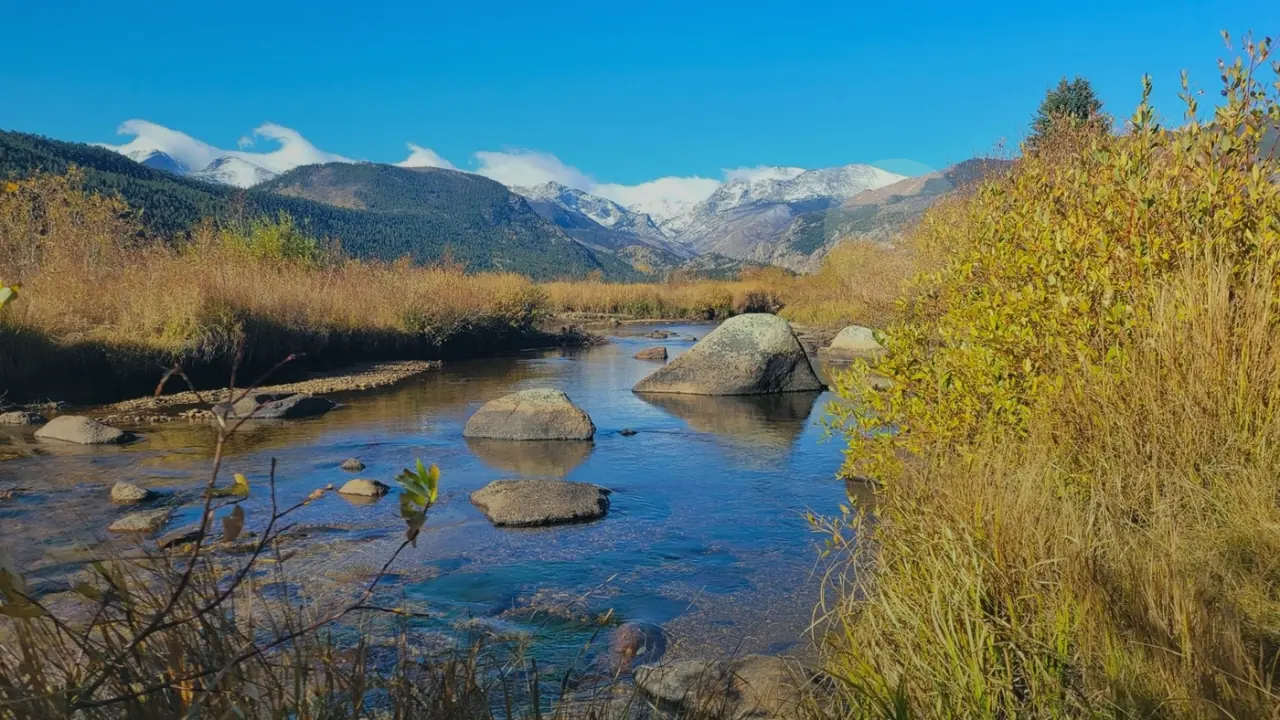
Cash for Colorado Land: Compare Offers to Sell Land
A cash offer is a proposal, not a deposit in your account. Before selling your Colorado parcel, compare what each purchaser will actually sign, verify, and pay. This guide helps property owners distinguish an attractive headline from a dependable agreement without assuming that the fastest bidder offers the best outcome.
Compare Purchasers on Net Proceeds
Ask each land buyer for the purchase price, deductions, inspection rights, and intended closing office. A written proposal should identify the parcel and explain any conditions. If a land company will pay cash for land only after finding another purchaser, ask whether assignment is permitted and whether your agreement has an outside deadline.
A real estate agent can expose the property to a wider real estate market. A direct sale usually exchanges some potential retail upside for fewer marketing obligations. Neither route automatically produces a fair cash price. Compare a realistic traditional sale estimate after commissions, carrying costs, and concessions with the written direct proposal, not an optimistic asking price.
Paying property taxes on unwanted land can influence your decision, but urgency should not replace verification. Request evidence of available funds through the closing professional. Never send banking credentials to a stranger who promises immediate cash. Independently confirm payment instructions using a previously verified contact method.
What Types of Land Change the Cash Offer?
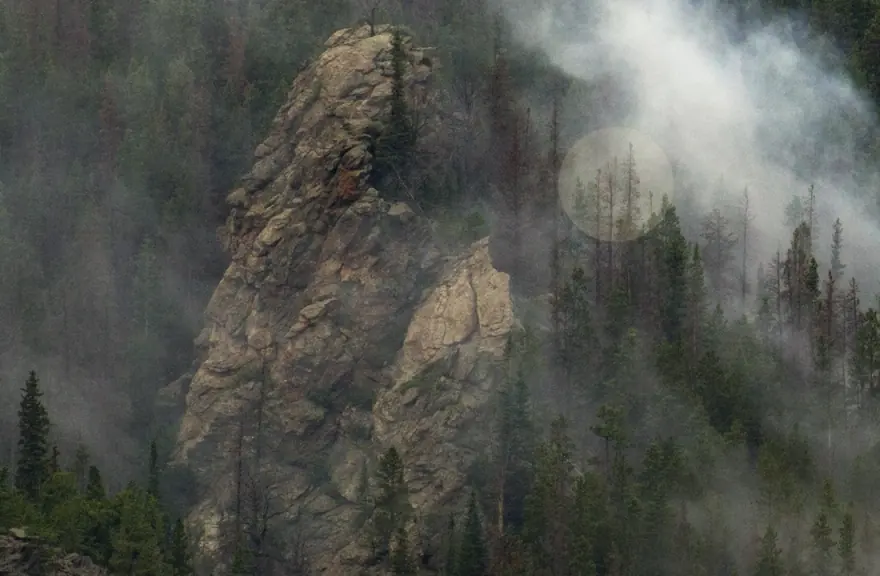
Prospective purchasers evaluate usable acreage, access, permitted uses, and likely resale demand. Rural acreage with a documented entrance is different from raw land reached only by crossing a neighbor's tract. Agricultural land may involve leases or irrigation interests; recreational land may depend on seasonal access. Commercial properties need different research from a vacant property intended for occasional camping.
Tell the reviewer what you know and what remains unverified. An online boundary outline is not a survey, and a road visible in an aerial image does not prove an access right. Attach the recorded easement if available. For undeveloped land, describe utilities as nearby only when that is all you can establish, rather than calling the tract service-ready.
Buyers who specialize in buying particular parcels may value different features. Ask which limitations explain the offer for your land. A purchaser's costs and profit requirements are not an appraisal. Land with potential still needs evidence that the proposed use is feasible before you treat it as fully entitled property.
Understand the Land Buying Process Before Signing
A land buying company should describe its purchase steps in ordinary language: initial review, written agreement, investigation, title work, signing, and disbursement. Ask when the cash offer becomes binding, what allows cancellation, and whether the purchaser can reduce the price after inspection. Do not accept an indefinite review period simply because the advertisement says “sell your land fast.”
Direct land buyers may specialize in different Colorado counties. Someone experienced in buying land in Colorado should still investigate your specific title and location. Experience buying and selling land does not make a buyer your legal adviser. An independent attorney can explain an unfamiliar agreement before you commit.
When you come to an agreement, retain the signed version and every amendment. Confirm who orders title, who resolves a missing release, and who pays each closing charge. Cash land buyers remove lender underwriting from the equation, not ownership problems. The entire process should remain understandable even if you have never completed a transaction before.
Decide Whether to Sell Land for Cash or Wait
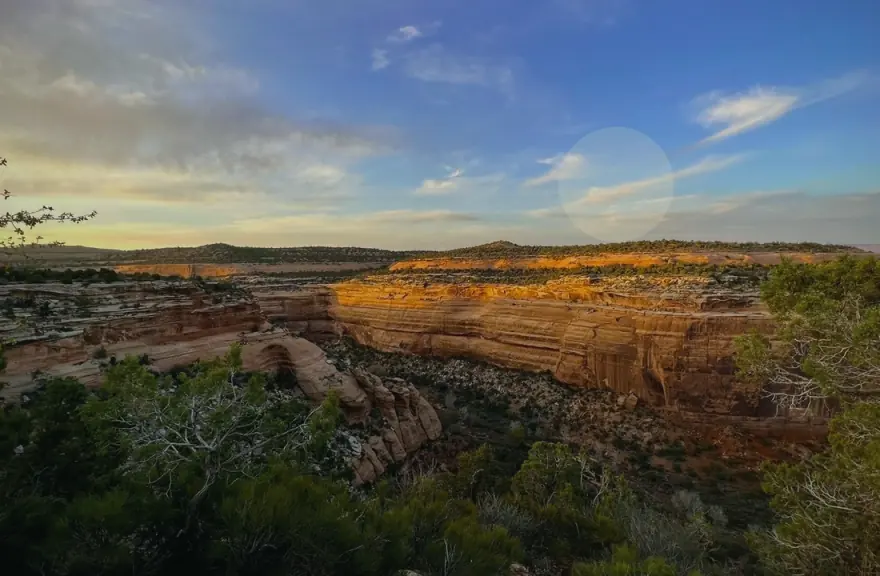
Your connection to the land matters alongside the numbers. If owning land still supports a realistic family plan, a low-pressure review can end with no sale. If you need to sell inherited land or an unused investment, list the financial and practical burdens you would stop carrying. Decide which trade-offs are acceptable before negotiating.
A realtor or independent valuation professional can provide a second perspective when the local land market is difficult to read. Selling vacant land without public advertising may suit an owner seeking privacy, while a marketable tract with good documentation may justify broader exposure. Land specialists should explain that distinction rather than promise the highest price and the fastest closing simultaneously.
To sell your land in Colorado, start with the county, parcel number, ownership names, and relevant records. Our team reviews those facts for a no-obligation proposal. Use our Colorado seller service when you are ready, or compare the closing timeline first. For a local starting point, our Routt County seller guide explains the inquiry route for that area. A clear written cash offer lets you make an informed decision, including the decision to decline.
Want Cash for Colorado Land?
Send the APN and county for a no-obligation review. We will look at the parcel facts and explain the next step.